Introduction to Chimney Sweeping
As a homeowner in Lombard, Illinois, ensuring the safety and efficiency of your fireplace is crucial. One key aspect of fireplace maintenance is regular chimney sweeping. This process might sound complex, but when broken down, it's quite straightforward. In this guide, we’ll explain chimney sweeping in simple terms, so you can ensure your home remains safe and warm.
Why Is Chimney Sweeping Important?
Chimney sweeping is vital for several reasons:
- Safety: A chimney clogged with soot or creosote (a flammable byproduct of burning wood) can lead to chimney fires, which are hazardous and potentially devastating.
- Efficiency: A clean chimney allows your fireplace to operate more efficiently, providing better heat output and saving on fuel costs.
- Air Quality: Blockages in the chimney can cause smoke and toxic gases like carbon monoxide to enter your home, compromising indoor air quality.
How Often Should You Sweep Your Chimney?
The frequency of chimney sweeping depends on how often you use your fireplace. However, as a general rule, the National Fire Protection Association (NFPA) recommends having your chimney inspected at least once a year and cleaned if necessary. Regular use fireplaces might require more frequent cleaning.
The Chimney Sweeping Process Explained
1. Preparing for the Sweep
Before the chimney sweep starts, it’s important to prepare your home. Ensure the fireplace is cool and remove any decorations or items from the mantle. This makes it easier for the technician to work and helps protect your belongings from dust and soot.
2. Inspection
The first step in the sweeping process is a thorough inspection. A certified chimney technician will check for blockages, structural issues, and the presence of creosote buildup. This inspection ensures that your chimney is safe to use and identifies any necessary repairs.
3. Cleaning
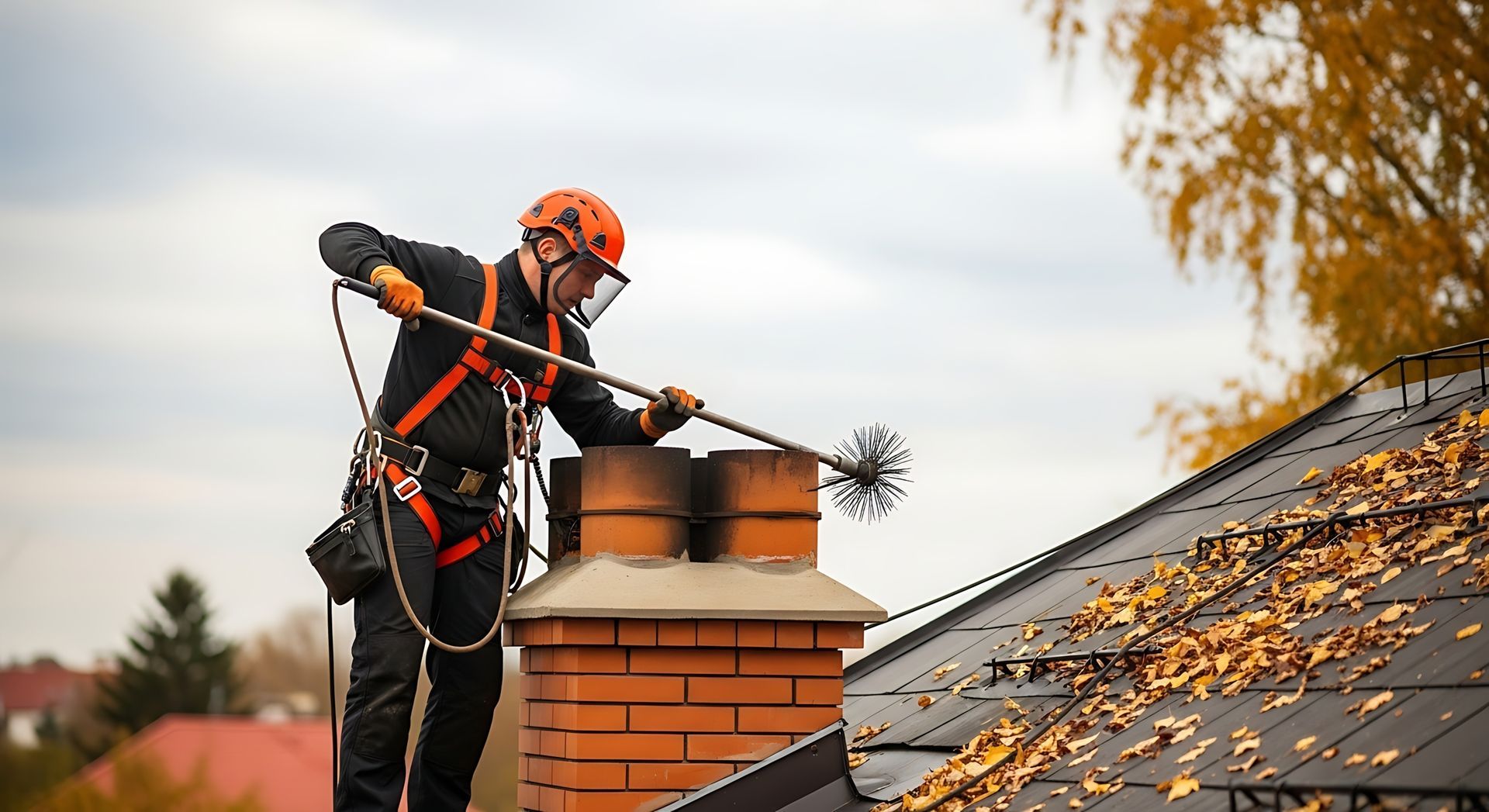
Once the inspection is complete, the actual cleaning process begins. This involves using specialized brushes and tools to remove soot and creosote from the flue. The technician may use a vacuum to prevent soot from entering your home during cleaning.
4. Post-Cleaning Inspection
After cleaning, a final inspection is conducted to ensure that the chimney is clear of obstructions and that all soot and debris have been removed. The technician will also check for any damage or wear that might have been hidden by the buildup.
Choosing a Chimney Sweeping Service in Lombard, IL
When selecting a chimney sweeping service, consider these factors:
- Certification: Ensure the company is certified by the Chimney Safety Institute of America (CSIA). This certification means the technicians are trained and knowledgeable.
- Experience: Look for a company with a solid track record and positive reviews from local customers. Experience often translates to better service.
- Comprehensive Services: Choose a provider that offers a full range of services, including inspections, repairs, and maintenance, so all your needs are covered.
Common Questions about Chimney Sweeping
Do I need to be home during the chimney sweep?
It is advisable to be home to discuss any findings with the technician. However, some companies offer flexible scheduling if that's not possible.
What if I don’t use my fireplace often?
Even if your fireplace is rarely used, having an annual inspection is still recommended. This ensures that no animals or debris have blocked the chimney, which could still pose a risk.
Can I sweep the chimney myself?
While DIY chimney sweeping kits are available, it’s best to hire a professional. They have the right tools and expertise to handle the task safely and efficiently.
Conclusion
Understanding chimney sweeping is crucial for maintaining a safe and efficient fireplace. By keeping your chimney clean, you not only enhance the performance of your fireplace but also ensure the safety of your home. For residents of Lombard, Illinois, Complete Fireplace & Masonry Experts are ready to assist with all your chimney needs, providing quality service and peace of mind.