Understanding the Basics: Fireplaces and Chimneys
For homeowners in Lombard, Illinois, maintaining a cozy and functional fireplace is an essential part of home upkeep, especially during the cold months. As we step into 2026, it’s important for beginners to understand the fundamentals of fireplaces and chimneys, ensuring both safety and efficiency. This guide will walk you through the basics, helping you get acquainted with your fireplace and chimney system.
Types of Fireplaces: Finding the Right Fit
Before diving into maintenance and care, it’s crucial to know the different types of fireplaces available. Here's a quick overview:
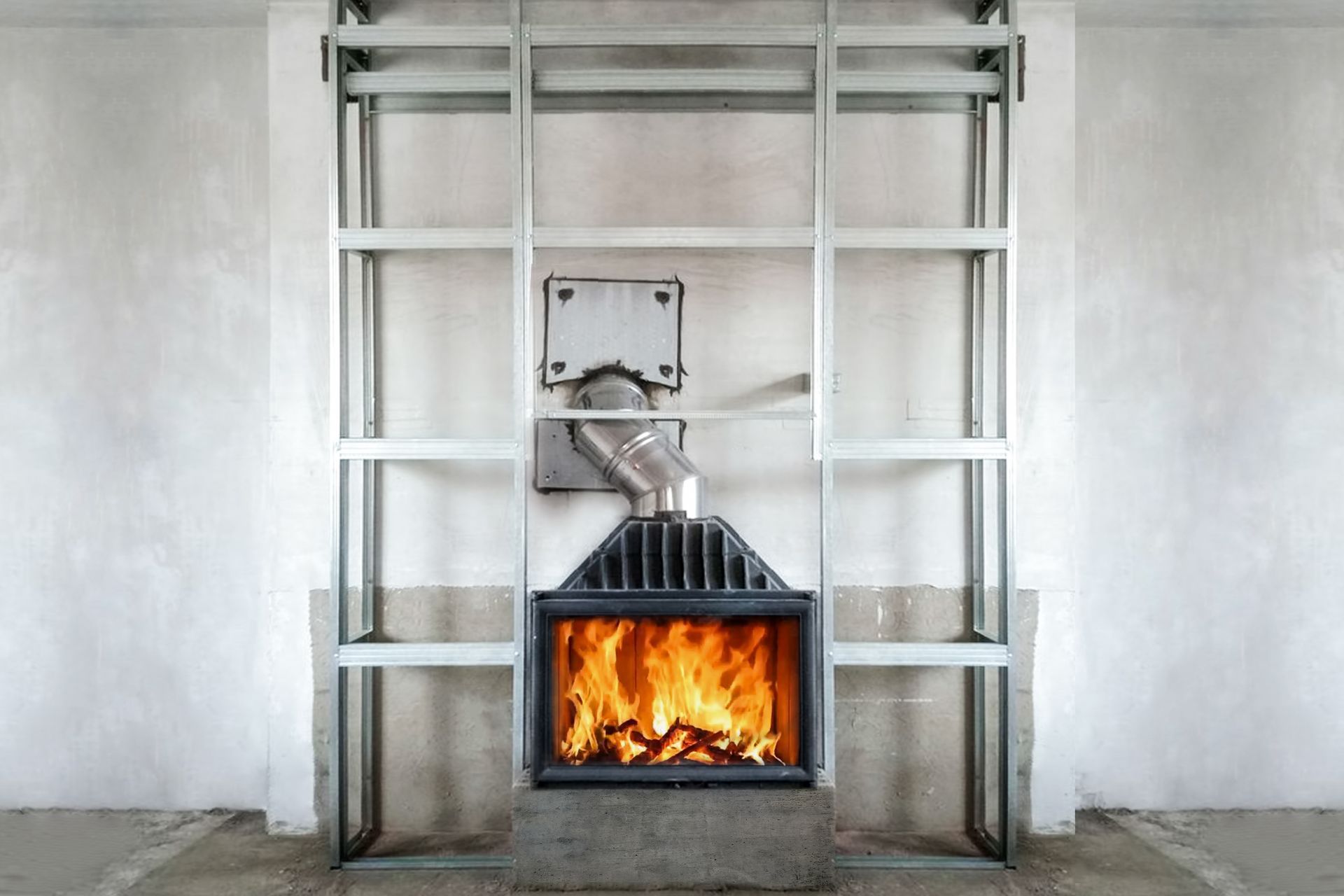
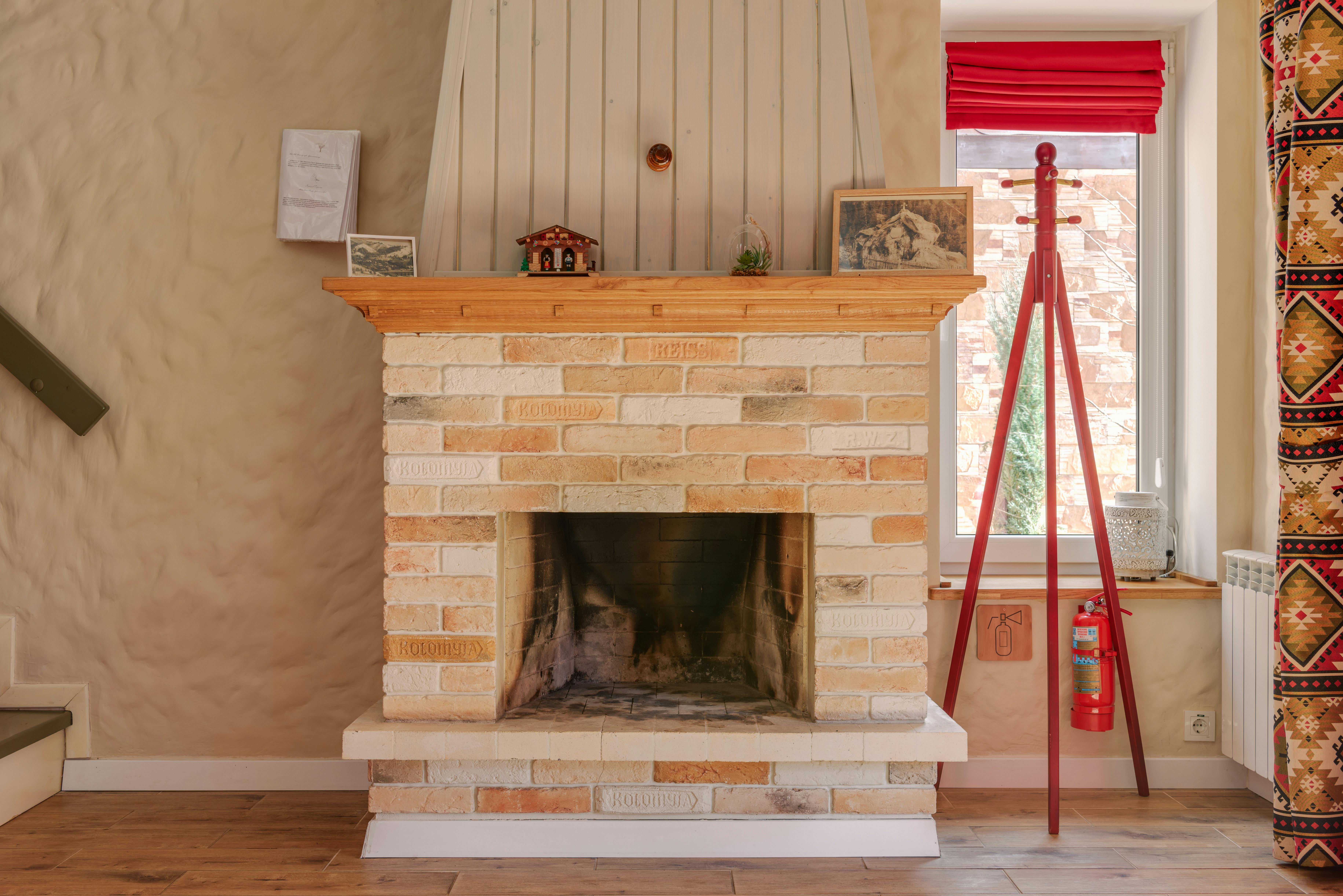
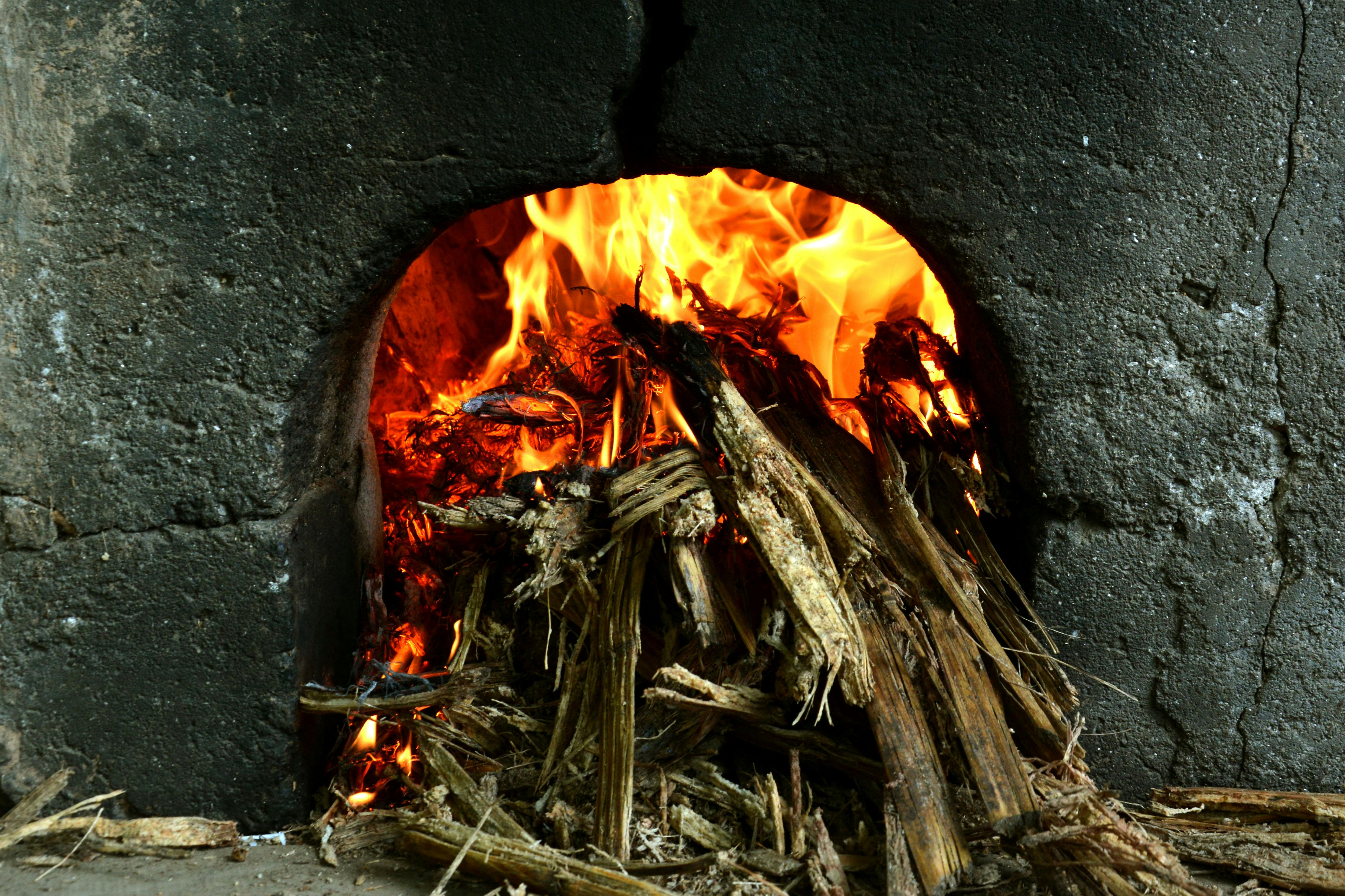
- Wood-Burning Fireplaces: These are traditional fireplaces that require seasoned hardwoods. They offer a classic look and feel but need regular cleaning to prevent creosote buildup.
- Gas Fireplaces: These provide convenience with the flip of a switch, offering a clean burn with minimal maintenance compared to wood-burning options.
- Electric Fireplaces: Ideal for those who want the ambiance without the maintenance. They are easy to install and energy efficient.
- Pellet Stoves: Using compressed wood or biomass pellets, these are efficient and environmentally friendly. They require electricity to operate a fan and hopper system.
The Anatomy of a Chimney
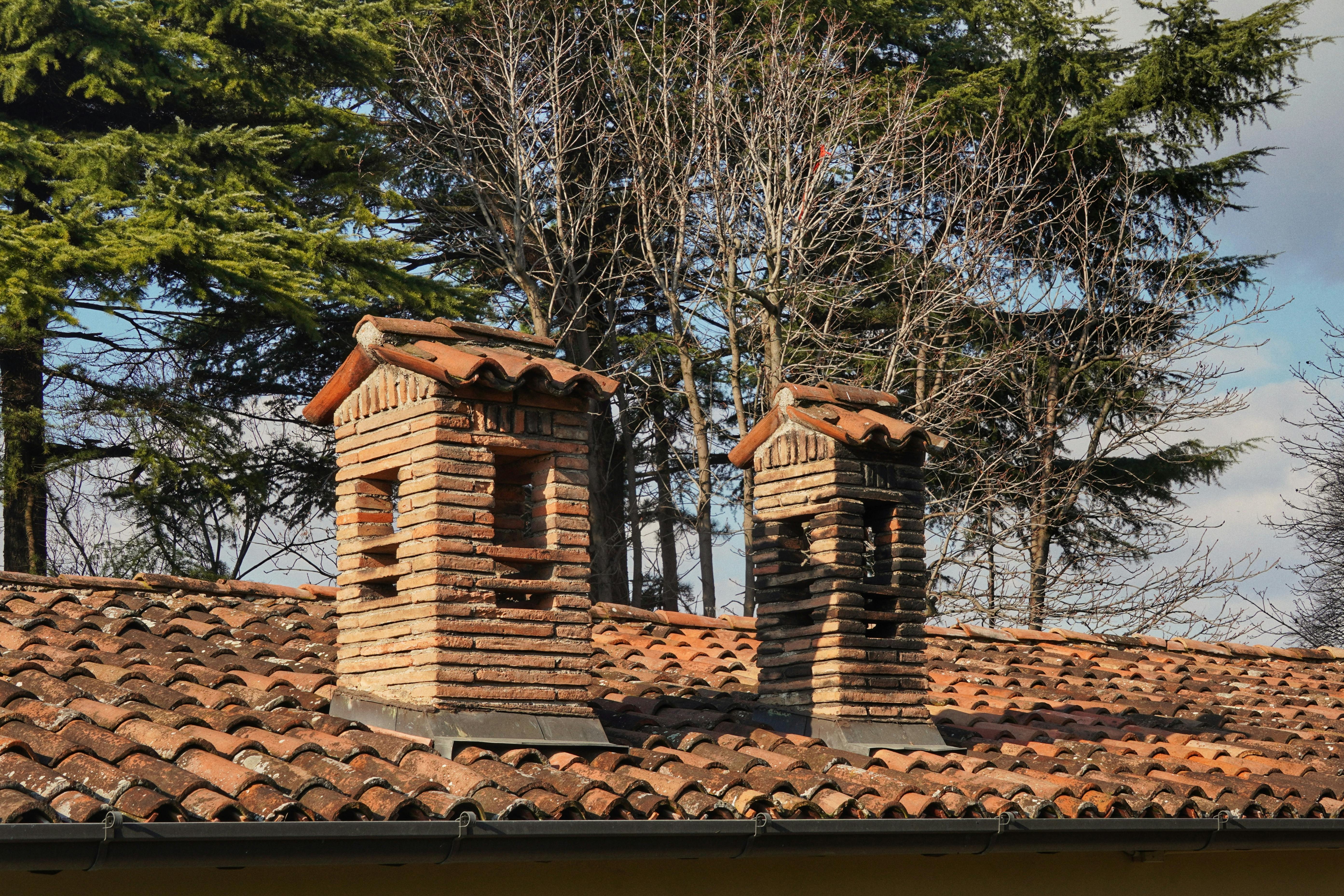
Understanding the structure of your chimney is key to performing basic maintenance tasks. Here's what every beginner should know:
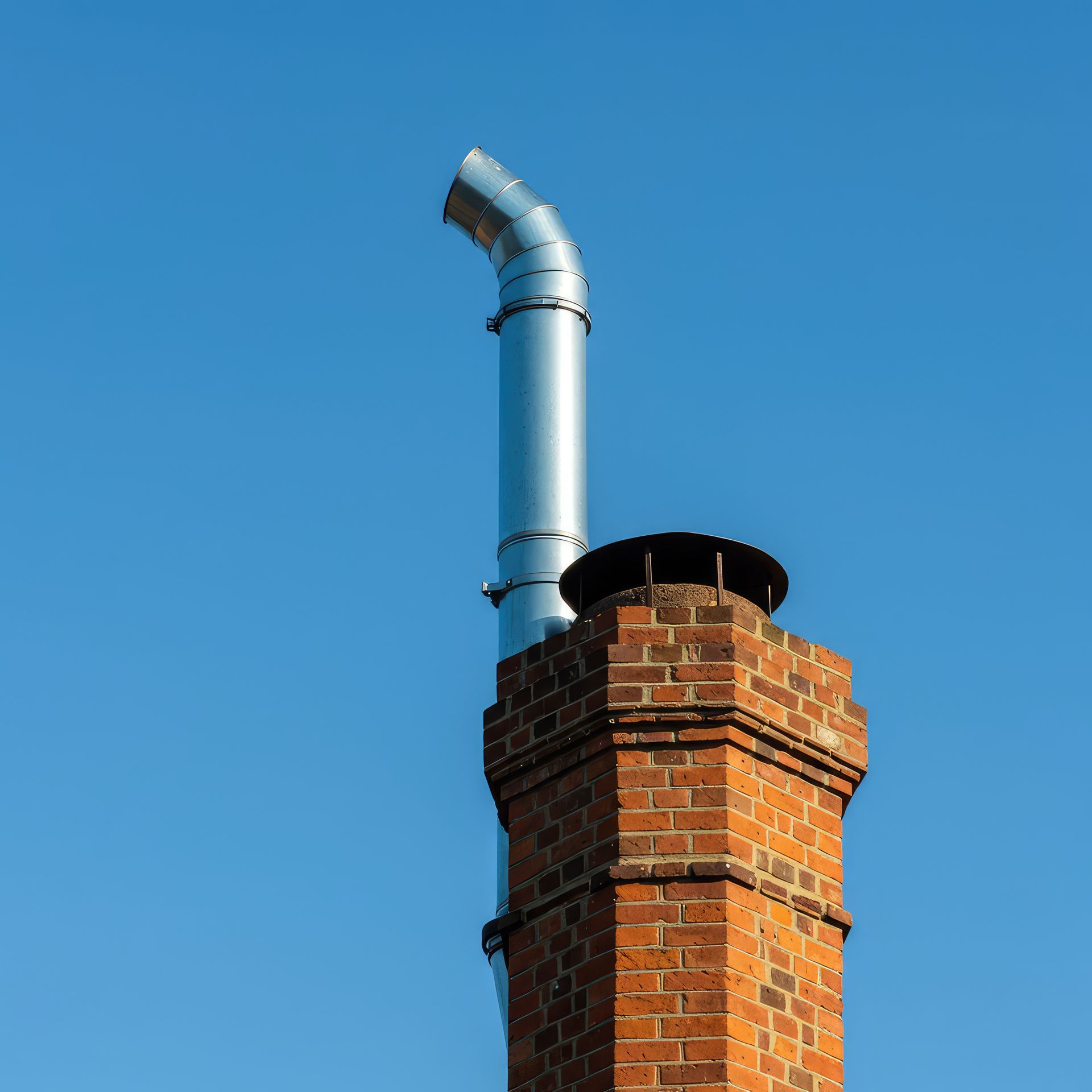
- Flue: This is the duct or opening in the chimney for conveying exhaust gases from the fireplace to the outside.
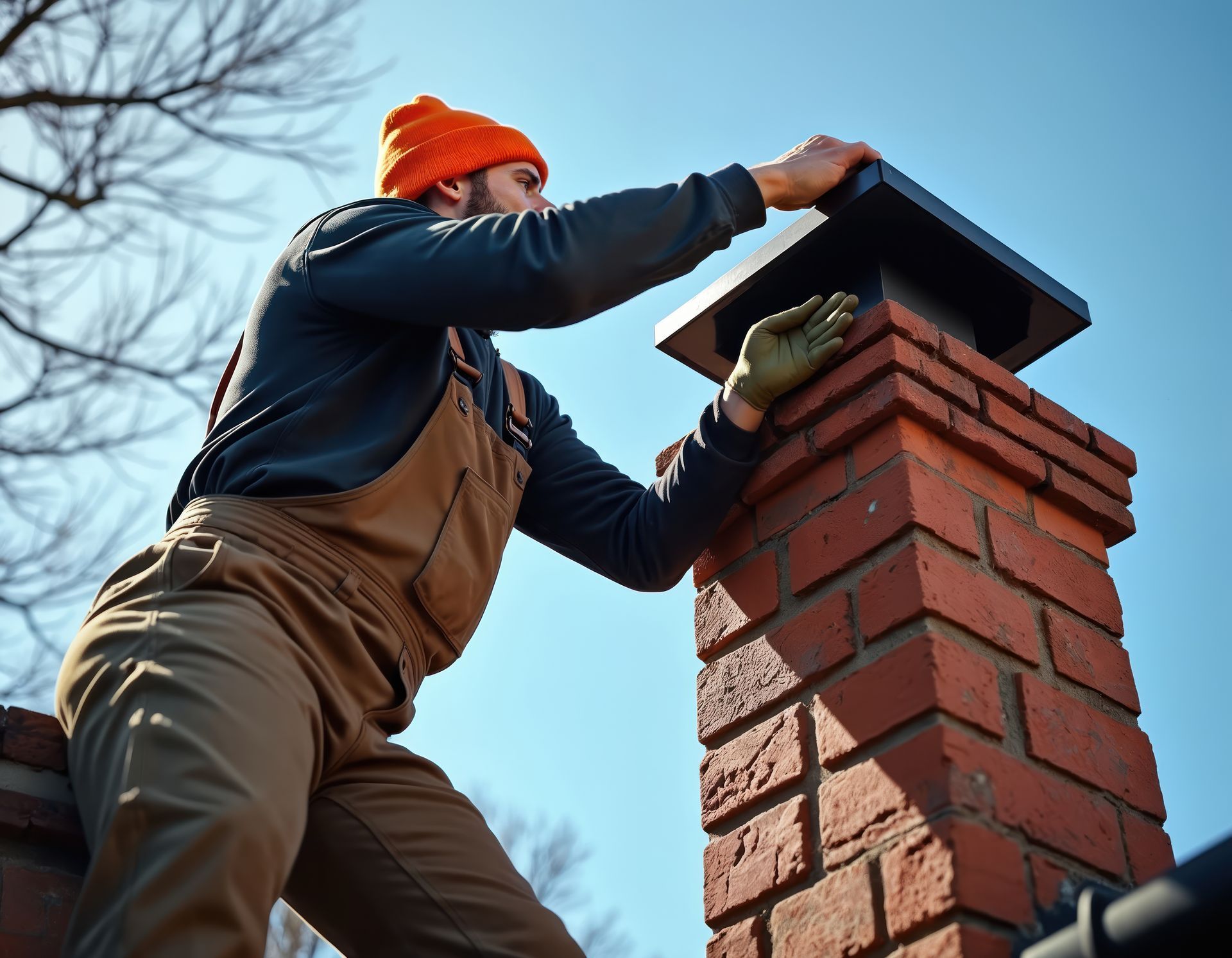
- Chimney Cap: Positioned at the top of the chimney, it prevents rain, debris, and animals from entering the chimney.
- Chimney Liner: It protects the chimney walls from heat and corrosion and can be made of clay, ceramic, or metal.
- Smoke Chamber and Shelf: These components help transition smoke from the firebox into the flue.
Essential Maintenance Tips for Beginners
Regular maintenance is crucial for the safe operation of your fireplace and chimney. Here's a checklist to get you started:
Annual Inspections
Schedule annual inspections with a certified professional to identify potential issues early. This practice is vital for preventing chimney fires and ensuring efficient operation.
Regular Cleaning
For wood-burning fireplaces, clean the firebox weekly during periods of heavy use. Remove ash and soot buildup to maintain proper airflow.
Chimney Cap Check
Ensure the chimney cap is intact and secured. A missing or damaged cap can lead to moisture issues and animal entry.
Check for Creosote Buildup
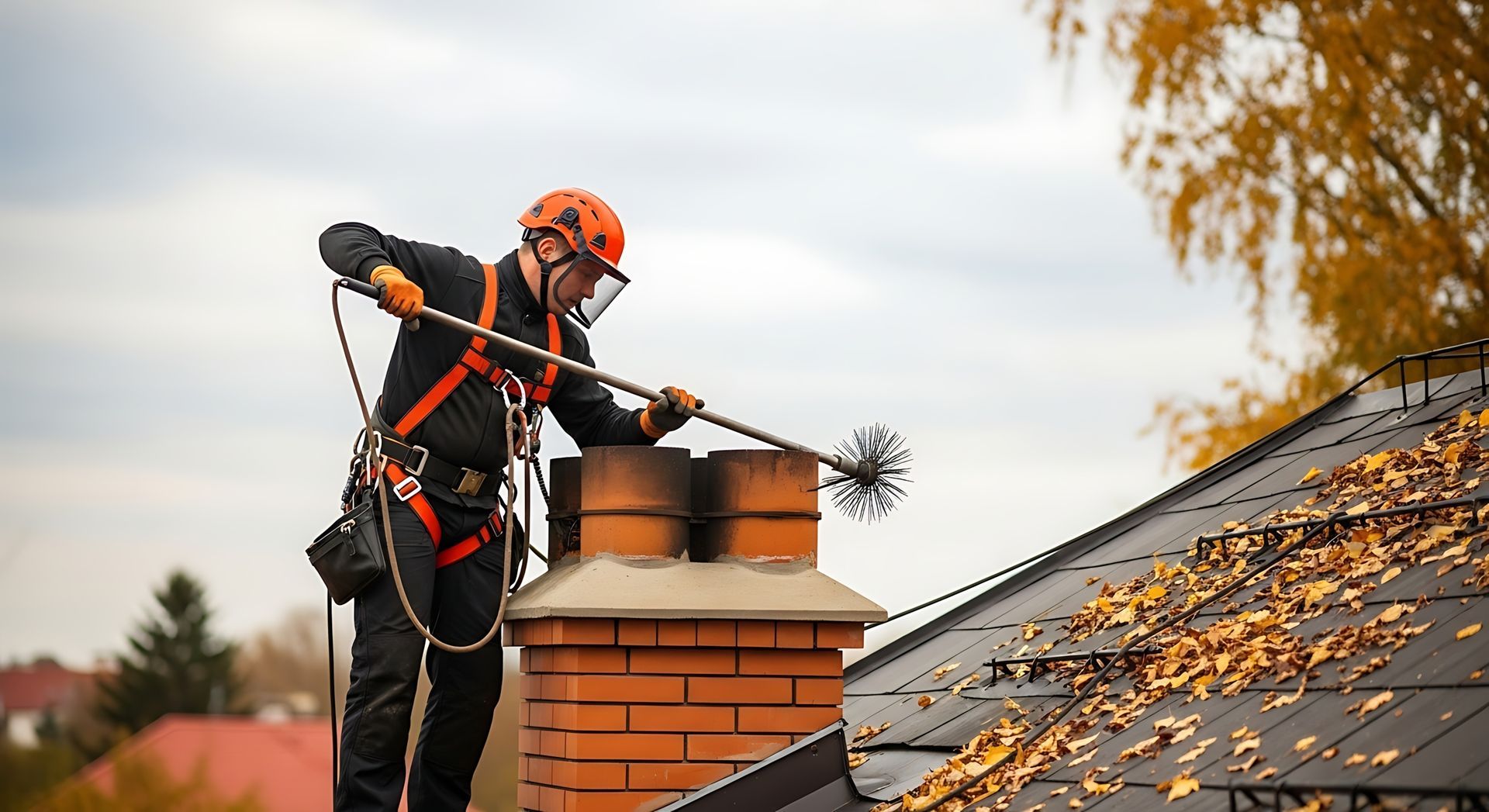
Creosote is a flammable substance that accumulates in the chimney when burning wood. It’s essential to have it cleaned annually by a professional.
Safety Measures for New Fireplace Owners
Safety is paramount when dealing with fireplaces and chimneys. Here are some tips to ensure your home stays safe:
- Install Carbon Monoxide Detectors: Place these in key areas of your home to alert you in case of dangerous gas leaks.
- Use Fireplace Screens: Screens prevent embers from escaping into the living area, minimizing the risk of fire hazards.
- Practice Safe Wood Storage: Store firewood at least 30 feet away from your home to prevent pest infestations and reduce fire risk.
- Educate Family Members: Ensure everyone in the household understands fire safety procedures, including emergency exits and contact numbers.
When to Call the Experts
While DIY maintenance can be effective for minor tasks, certain situations require professional attention:
- Signs of Damage: Cracks in the chimney, smoke not venting properly, or unusual odors are signs you need professional inspection.
- Efficient Upgrades: Consider hiring experts to install energy-efficient upgrades, such as dampers or new liners, to improve performance.
- Complex Cleaning: If your chimney hasn’t been cleaned for years or if you notice excessive creosote buildup, call a professional service.
Conclusion
Embarking on the journey of maintaining your fireplace and chimney doesn’t have to be daunting. By understanding the basics and adhering to regular maintenance routines, you can ensure your Lombard home remains warm and safe. If in doubt, don't hesitate to reach out to professionals like Complete Fireplace & Masonry Experts for expert advice and services tailored to your needs in 2026.
For more tips and expert services, visit our website or contact us today!